Quince Size Guide: A Comprehensive Overview
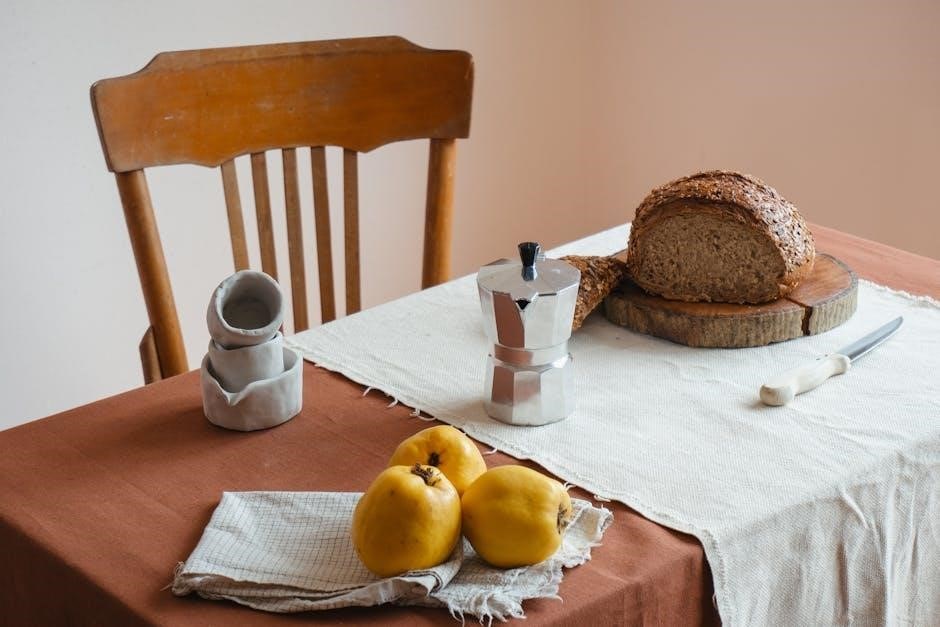
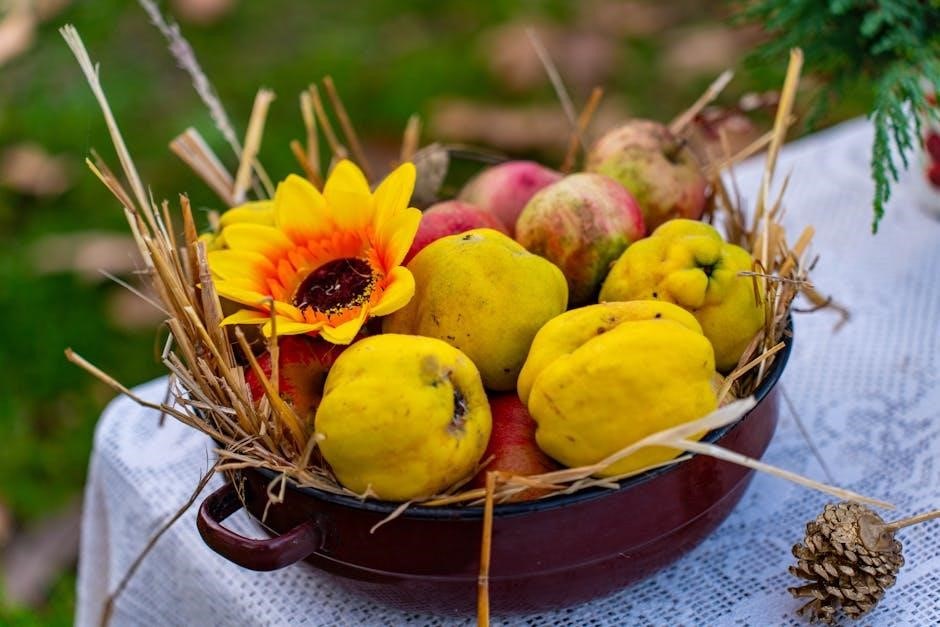
Quince fruits exhibit varied shapes, resembling apples or pears, and are prized for their fragrant qualities. They are commonly used in creating delightful jams and jellies.
What is Quince Fruit?
Quince (Cydonia oblonga) is a fragrant, yellowish fruit, often described as a close relative of the apple and pear. While not commonly eaten raw due to its tartness and hard texture, it’s incredibly versatile when cooked; Historically cultivated for thousands of years, originating in Southwest Asia, quince has a rich cultural heritage and a distinctive aroma that intensifies as it ripens.

The fruit’s shape varies considerably; some quinces are distinctly apple-shaped, while others lean towards a pear-like form. Its color ranges from bright yellow to a golden hue. Quince is primarily valued for its pectin content, making it exceptional for creating jams, jellies, and preserves. Even the fruits from flowering quince varieties, though extremely tart, are indeed edible when properly prepared.
Beyond culinary uses, quince has been traditionally employed in making fragrant oils and even as a natural cleaning agent. Understanding its characteristics is key to appreciating its unique qualities and potential.
Quince Varieties and Their Size Differences
Quince varieties exhibit notable differences in size and overall growth habit. While a comprehensive size comparison requires specific cultivar data, general trends exist. Standard quince trees produce larger fruits compared to dwarf varieties. The ‘Pineapple Quince,’ for example, is known for producing exceptionally large fruit, despite the tree reaching a manageable height of 10-12 feet at maturity.
Conversely, ‘Rich Dwarf’ quince trees, though smaller in stature, still yield substantial fruit size. This highlights that fruit size isn’t solely dependent on tree height. Other varieties will naturally produce smaller, more uniformly sized quinces. Factors like rootstock and growing conditions also play a role in influencing the ultimate size of both the tree and its fruit.
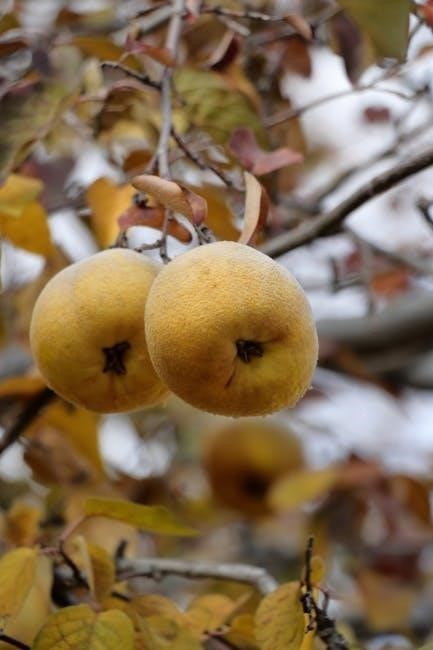
Understanding these variations is crucial for gardeners selecting a quince tree based on available space and desired fruit characteristics.
Typical Quince Fruit Dimensions
Quince fruit dimensions are quite variable, largely dependent on the specific variety and growing conditions. Generally, quinces are pear or apple-shaped, though their form can be irregular. Mature quinces typically range from 3 to 5 inches in length and 2 to 4 inches in diameter at their widest point. However, certain varieties, like the ‘Pineapple Quince’ and ‘Rich Dwarf’ can produce larger specimens.
The shape influences perceived size; a more elongated quince might appear larger than a rounder one of the same volume. It’s important to note that quinces don’t exhibit consistent sizing even on the same tree. Expect some variation in both length and width throughout the harvest. Precise measurements are best taken with a ruler or calipers to accurately assess fruit size.
These dimensions provide a general expectation, but individual fruits can deviate.
Average Weight of a Quince
Determining the average weight of a quince is complex due to variety and maturity differences. However, a typical, mature quince generally weighs between 150 and 300 grams (approximately 5.3 to 10.6 ounces). Smaller, younger fruits will naturally weigh less, potentially around 100 grams (3.5 ounces), while exceptionally large specimens from certain cultivars can exceed 400 grams (14 ounces).
The ‘Pineapple Quince’ and ‘Rich Dwarf’ varieties are known for producing heavier fruits, contributing to the upper end of this weight range. Fruit weight is directly correlated to size; larger dimensions usually translate to greater mass. Consistent watering and optimal soil conditions promote heavier fruit development.
It’s crucial to remember these are averages. Individual quinces will vary, and a scale provides the most accurate weight assessment.
Factors Influencing Quince Size
Several key factors significantly impact the ultimate size of quince fruits. Soil quality and nutrient availability are paramount; rich, well-drained soil provides essential elements for robust growth and larger fruit development. Deficiencies can stunt growth, resulting in smaller quinces.
Sunlight exposure is equally crucial. Quince trees require at least half a day, ideally full sun, to maximize photosynthesis and fruit size. Insufficient light leads to smaller, less flavorful fruits. Watering practices also play a vital role. Consistent, adequate watering, especially during fruit development, supports cell expansion and larger fruit.
Proper pruning to allow sunlight penetration and air circulation further enhances fruit size. Environmental conditions, like temperature and rainfall, also contribute, though these are less controllable. Ultimately, a combination of optimal conditions yields the largest, highest-quality quinces.
Soil Quality and Nutrient Availability
Quince trees thrive in well-drained soils, but the quality of that soil profoundly impacts fruit size. Loamy soils, rich in organic matter, provide the ideal foundation for robust growth and larger quinces. Nutrient availability is equally critical; quinces require a balanced supply of nitrogen, phosphorus, and potassium.

Nitrogen promotes vegetative growth, while phosphorus supports root development and flowering. Potassium is essential for fruit development and overall plant health. Deficiencies in any of these nutrients can lead to stunted growth and smaller fruit. Regular soil testing is recommended to identify and address any imbalances.
Amending the soil with compost or well-rotted manure improves its structure and fertility, ensuring the tree receives the necessary nutrients for optimal fruit production. Proper soil pH, ideally between 6.0 and 6.5, also enhances nutrient uptake, contributing to larger, healthier quinces.
Sunlight Exposure
Optimal sunlight exposure is paramount for maximizing quince fruit size and quality. Quince trees require at least six to eight hours of direct sunlight daily to facilitate robust photosynthesis, the process by which plants convert light into energy for growth and fruit development. Insufficient sunlight results in reduced fruit size, poor color development, and diminished flavor.
When planting, select a location that receives full sun throughout the growing season. Avoid areas shaded by buildings, trees, or other obstructions. Southern or western exposures generally provide the most sunlight. Proper pruning is also crucial to ensure adequate light penetration throughout the tree canopy.
Removing crowded or crossing branches allows sunlight to reach inner branches and developing fruit, promoting even ripening and larger fruit size. Consistent sunlight exposure not only enhances fruit size but also improves the tree’s overall health and resilience.
Watering Practices
Consistent and appropriate watering is vital for optimal quince fruit development and size. Young quince trees require regular watering to establish a strong root system, particularly during their first few years. Mature trees are relatively drought-tolerant but benefit from supplemental watering during prolonged dry spells, especially when fruit is developing.
Deep, infrequent watering is preferable to frequent, shallow watering. This encourages deep root growth, making the tree more resilient to drought. Aim to water deeply enough to moisten the soil to a depth of at least 12-18 inches. Avoid overwatering, as this can lead to root rot and other fungal diseases.
Mulching around the base of the tree helps retain soil moisture and regulate soil temperature. Monitor soil moisture levels regularly, adjusting watering frequency based on weather conditions and the tree’s needs. Proper hydration directly impacts fruit size and overall tree health.
Dwarf Quince Tree Sizes
Dwarf quince trees are popular choices for smaller gardens due to their manageable size. Unlike standard varieties, dwarf quinces are specifically bred or grafted onto dwarfing rootstock to limit their growth. Typically, a dwarf quince tree reaches a mature height of 8 to 10 feet, offering a convenient size for harvesting and maintenance.
Fruit production on dwarf trees is often comparable to standard trees, despite their smaller stature. The fruit size itself isn’t necessarily smaller; it depends on the variety and growing conditions. Expect a plentiful yield from a well-cared-for dwarf quince.
Rich Dwarf Quince, for example, is known for producing large fruit on a relatively small tree. These trees are ideal for those seeking a substantial harvest without the need for extensive pruning or a large orchard space. Careful pruning is still recommended to maintain shape and encourage fruitfulness.
Standard Quince Tree Sizes
Standard quince trees, grown on their own rootstock, achieve a significantly larger size compared to their dwarf counterparts. These trees typically reach a mature height of 10 to 12 feet, and sometimes even taller under optimal growing conditions. This substantial size requires more space in the garden and potentially more extensive pruning to manage their growth.
Fruit yield from standard quince trees is generally higher than that of dwarf varieties, reflecting their larger overall size and greater capacity for fruit production. The fruit size itself isn’t dramatically different from dwarf varieties, but the sheer quantity harvested can be considerable.
Pineapple Quince, a popular variety, exemplifies a standard-sized tree, maturing to around 10-12 feet in height. These trees require adequate sunlight and well-drained soil to thrive and produce their uniquely flavored fruit. Regular pruning helps maintain a manageable shape and encourages abundant fruiting.
Pineapple Quince Size at Maturity
Pineapple Quince trees, celebrated for their distinctive fruit flavor, typically grow to a height of 10-12 feet at full maturity. This places them firmly within the category of standard-sized quince trees, requiring ample space in the orchard or garden for optimal development. They thrive in locations receiving either partial or full sunlight exposure.
While the tree’s height is a key indicator of maturity, the fruit itself is also noteworthy. Pineapple Quince produces fruit with a unique and appealing flavor profile, making it a favorite among quince enthusiasts. The size of the fruit is comparable to other quince varieties, though consistent yields are expected from a mature tree.
These trees demonstrate hardiness down to at least minus 25 degrees Fahrenheit, making them suitable for a range of climates. Proper care, including adequate watering and occasional pruning, ensures healthy growth and abundant fruit production.
Rich Dwarf Quince Tree Size and Fruit Size
Rich Dwarf Quince trees are specifically bred for their compact size, making them ideal for smaller gardens or orchards where space is limited. Despite their dwarfing characteristic, these trees are renowned for producing exceptionally large fruit – a delightful contrast to their stature. The mature height of a Rich’s Fruiting Quince Tree remains relatively small, fitting the “dwarf” designation.
The fruit itself boasts a beautiful lemon-yellow skin and an intensely fragrant aroma, rivaling even the most prized quince varieties. This combination of manageable tree size and substantial fruit yield makes the Rich Dwarf Quince a popular choice for home gardeners.
While specific height measurements aren’t readily available, the emphasis is on its dwarfing nature, allowing for easier harvesting and maintenance. The large fruit size ensures a generous return on investment, perfect for jams, jellies, and other culinary delights.
Comparing Quince Size to Other Fruits
Quince fruits often present a size comparison puzzle, as their shape can vary considerably – some resembling apples, while others lean towards a pear-like form. Generally, a mature quince is noticeably larger than a typical apple, often exceeding its dimensions in both height and width. However, size can fluctuate based on variety and growing conditions.
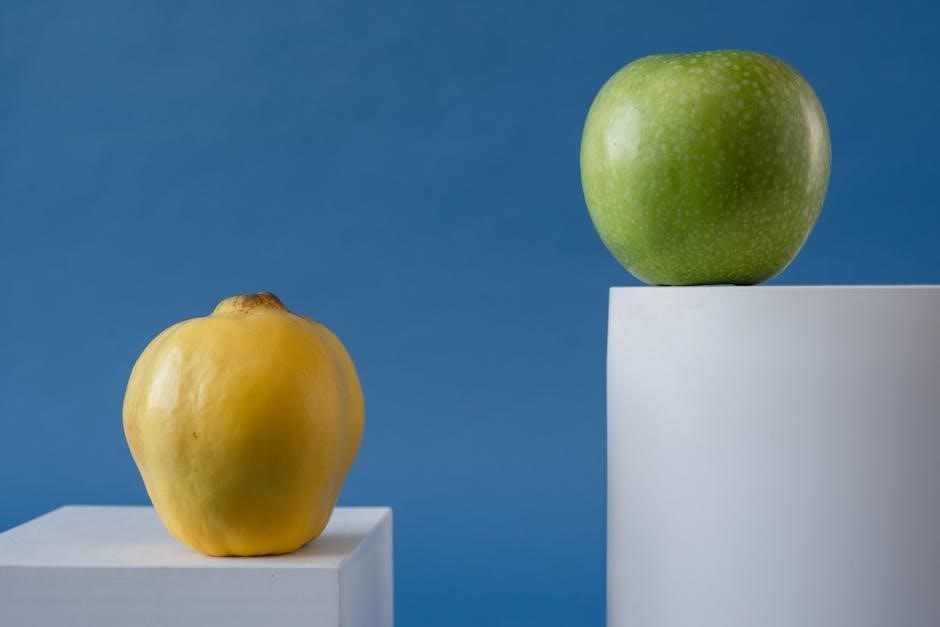
When contrasted with pears, the size difference is less pronounced. Some pear varieties can rival or even surpass quinces in length, but quinces tend to be more robust and heavier for their volume. The weight of a quince often feels substantial in the hand, indicating its dense flesh.
Ultimately, visualizing quince size requires understanding its variability. It’s safe to say quinces are generally larger than standard apples but comparable in size to many common pear types, offering a unique fruit experience.
Quince vs. Apple Size
Comparing a quince to an apple reveals that quinces are generally larger in overall size. While both fruits share a similar basic shape – though quinces can also resemble pears – quinces typically exhibit greater dimensions in both height and width. A standard apple might comfortably fit in the palm of your hand, but a mature quince often requires a firmer grip.
The difference isn’t always dramatic, as apple varieties themselves vary significantly in size. However, most quince varieties consistently outweigh and outsize common apple types like Gala or Fuji. This larger size contributes to the quince’s substantial feel and its suitability for processing into jams and jellies, yielding a greater volume of finished product.
Essentially, envision a slightly oversized, more robust apple – that’s a good approximation of the typical quince size.
Quince vs. Pear Size
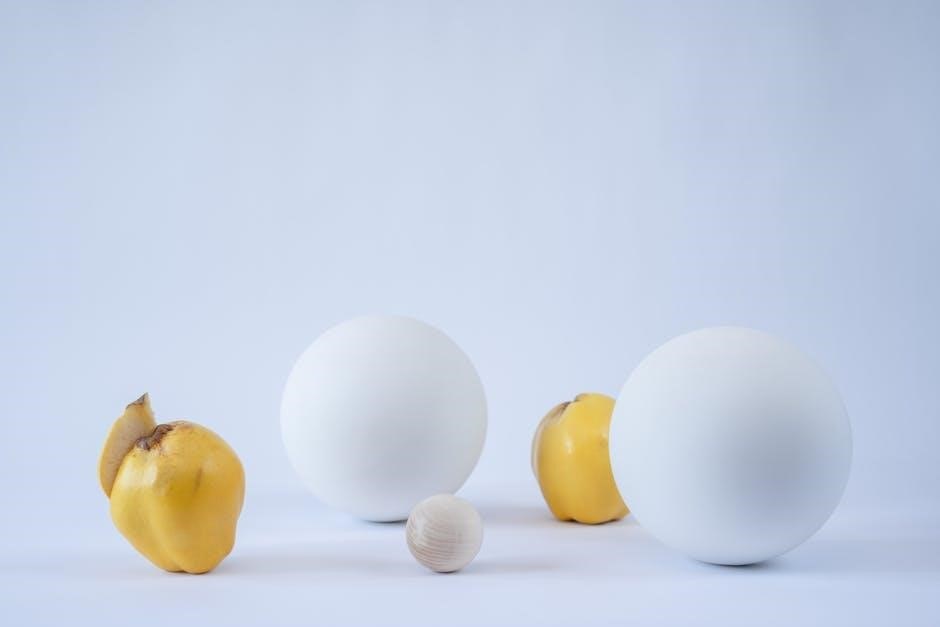
When contrasting quinces with pears, the size comparison becomes more nuanced. Some quince varieties, particularly those with a pear-like shape, can be quite similar in size to larger pear cultivars like Bosc or Comice. However, generally, quinces tend to be slightly shorter and broader than most pear varieties.
Pears often exhibit a more elongated, tapering form, while quinces maintain a more rounded or squat appearance. Weight-wise, a mature quince frequently surpasses the average weight of a standard pear. This is due to the quince’s denser flesh and more substantial build.
It’s important to note that both fruits display considerable variation depending on the specific cultivar. Nevertheless, a typical quince will present as a somewhat stockier, heavier fruit compared to the gracefully shaped and often lighter pear.
How to Measure Quince Size
Accurately measuring quince size involves a few simple techniques. To determine length, use a ruler to measure from the stem end to the blossom end, recording the longest dimension. For width, measure across the broadest part of the fruit, ensuring the ruler is perpendicular to the length.
Circumference can be assessed by wrapping a flexible measuring tape around the widest point of the quince. Weight is best determined using a kitchen scale, providing a precise measurement in grams or ounces. Recording all three measurements – length, width, and weight – offers a comprehensive assessment of size.
Consistent measurement practices are crucial for comparing quinces from different trees or harvests. Note any irregularities in shape that might affect measurements. These dimensions are valuable for assessing maturity and predicting potential yield.
Impact of Size on Quince Usage (Jams, Jellies, etc.)
Quince size significantly impacts its suitability for various culinary applications. Larger quinces generally yield more pulp per fruit, making them ideal for jams and jellies where substantial quantities are needed. Their higher juice content also contributes to a richer flavor and smoother texture in preserves.
Smaller quinces, while requiring more fruit for the same yield, can possess a more concentrated flavor due to their higher skin-to-pulp ratio. This can be advantageous for creating intensely flavored jellies. The size also influences preparation time; larger fruits necessitate more peeling and coring.
Regardless of size, all quinces benefit from careful cooking to soften their firm texture and release their aromatic compounds. Ultimately, both large and small quinces can produce exceptional jams, jellies, and other delightful treats.
Quince Tree Height at Maturity
Quince tree height at maturity varies considerably depending on the variety and rootstock. Standard quince trees typically reach heights of 10 to 12 feet, making them suitable for larger gardens or orchards. These trees offer a substantial fruit yield but require adequate space for growth and maintenance.
Dwarf quince varieties, bred for smaller spaces, generally mature at heights between 6 and 8 feet. These are excellent choices for smaller gardens, patios, or even container growing. The Rich Dwarf Quince, for example, maintains a manageable size while still producing abundant, large fruit.
Proper pruning plays a crucial role in controlling tree height and shape. Regular pruning encourages branching and fruit production while preventing the tree from becoming overly tall or unwieldy.
Hardiness and Size Considerations
Quince trees demonstrate impressive hardiness, generally tolerating temperatures down to at least -25 degrees Fahrenheit. This resilience makes them suitable for a wide range of climates, though protection may be needed in extremely harsh winters, particularly for younger trees.
When selecting a quince tree, consider both its mature size and your garden’s space limitations. Standard varieties require ample room to spread, while dwarf cultivars are better suited for smaller areas. Rootstock also influences final size; dwarfing rootstocks restrict growth.
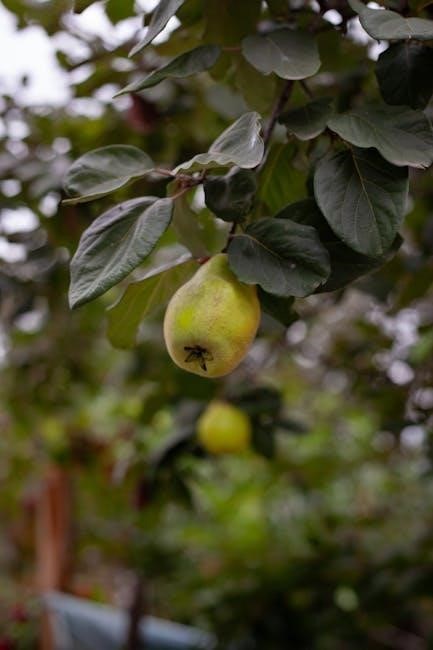
Soil quality and sunlight exposure significantly impact a quince tree’s health and vigor, influencing its overall size and fruit production. Proper care ensures optimal growth and hardiness, allowing the tree to thrive and produce abundant harvests for years to come.