
Understanding the nuanced experiences of Black men requires acknowledging historical influences, societal pressures, and the impact of stereotypes on their emotional wellbeing.
Recent studies (Goodwill, 2019; Martin, 2024) emphasize subjective reflections on masculinity’s role, while Shekhar (2025) highlights culturally responsive interventions.
Addressing distrust (Johnson, 2024; Cofield, 2025) and promoting accurate media representation (Cofield, 2025) are crucial for fostering empathy and support.
Understanding the Need for This Guide
This guide emerges from a critical need to bridge understanding between Black women and Black men, dismantling harmful stereotypes and fostering genuine connection. Existing research, like that of JR Goodwill (2019) and C. Martin (2024), underscores the complex construction of masculinity within the Black community and its profound impact on mental health.
Many Black men navigate adulthood lacking foundational mental health literacy and culturally affirming models for emotional expression (Morton, 2025). This gap, coupled with historical trauma and systemic distrust, creates significant barriers to seeking support. A. Shekhar’s (2025) work emphasizes the necessity of culturally responsive interventions.
Furthermore, accurate media portrayals are vital; communicators must strive for fuller, more nuanced representations of Black males (Cofield, 2025). This guide aims to empower Black women with the knowledge to navigate these complexities, fostering empathy, and building stronger, healthier relationships.
Historical Context: Societal Influences
The experiences of Black men are deeply rooted in a history of systemic oppression, slavery, and racial discrimination, profoundly shaping their perceptions of masculinity and vulnerability. These historical traumas have fostered a pervasive distrust in societal systems, including healthcare, as highlighted by Johnson’s (2024) research on distrust in doctors.
Societal expectations have often demanded Black men embody strength and stoicism, suppressing emotional expression and hindering help-seeking behaviors. This pressure, combined with internalized racism, creates a complex internal landscape, impacting mental wellbeing.
Understanding this historical context is crucial for recognizing the unique challenges Black men face and dismantling the harmful narratives that perpetuate these cycles. Cofield’s (2025) work emphasizes the need to develop a more accurate portrayal of Black men within the cultural domain, acknowledging both struggles and similarities.
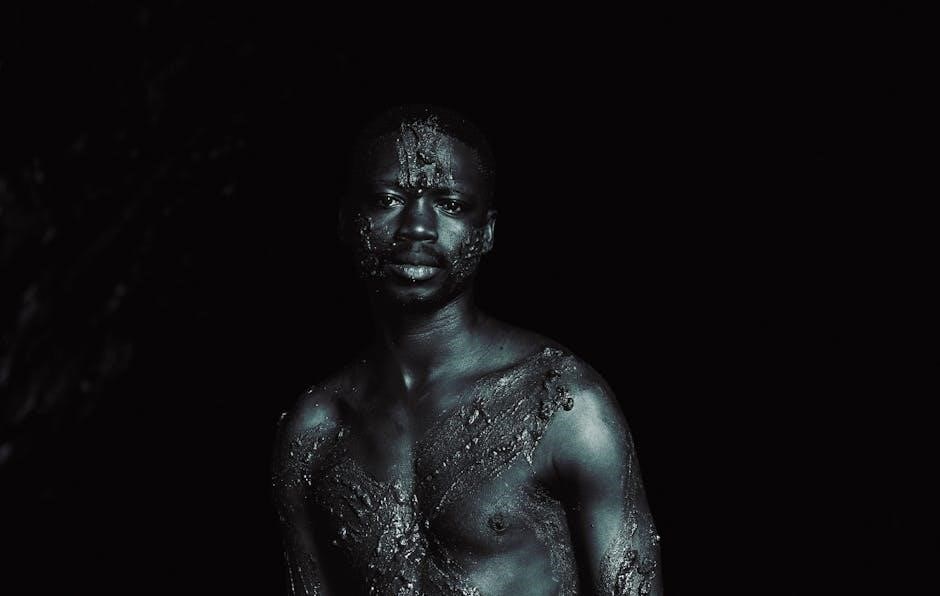
Deconstructing Black Masculinity
Challenging rigid stereotypes and societal expectations is vital; understanding the constructed nature of masculinity allows for a more empathetic and nuanced perspective.
The Impact of Stereotypes
Harmful stereotypes profoundly shape perceptions of Black men, often portraying them as aggressive, emotionally unavailable, or hypersexualized – representations perpetuated by media and societal biases. These limited narratives deny the complexity and individuality inherent within the Black male experience, fostering misunderstanding and prejudice.
Internalized stereotypes can lead to self-doubt and limited self-perception, impacting mental health and emotional expression. The pressure to conform to these false ideals can hinder authentic self-discovery and healthy relationships. Recognizing the damaging effects of these stereotypes is the first step towards dismantling them and fostering genuine connection.
Furthermore, these pervasive images contribute to systemic inequalities, influencing interactions with law enforcement, education, and employment opportunities. Challenging these biases requires conscious effort and a commitment to promoting accurate and diverse portrayals of Black men.
Societal Expectations and Pressures
Black men often navigate a complex web of societal expectations, pressured to embody strength, stoicism, and financial success – a narrow definition of masculinity that stifles emotional vulnerability. This expectation stems from historical contexts and ongoing systemic inequalities, demanding resilience in the face of adversity.
The burden of being a provider, protector, and a symbol of racial pride can create immense stress and limit opportunities for self-care and emotional expression. These pressures are compounded by the need to navigate racial discrimination and societal biases, impacting mental wellbeing.
Understanding these pressures is crucial for fostering empathy and supporting Black men in challenging these restrictive norms and embracing a more holistic definition of manhood.
Internalized Racism and Its Effects
Internalized racism, a consequence of systemic oppression, profoundly impacts Black men, manifesting as self-doubt, negative self-perception, and a belief in harmful stereotypes. This insidious process can erode self-worth and contribute to feelings of inadequacy, hindering emotional wellbeing and self-acceptance.
It can also lead to a distrust of self and community, fostering a sense of isolation and hindering the development of healthy relationships. The internalization of negative messages about Black masculinity can create internal conflict and impede personal growth.
Recognizing and addressing internalized racism is vital for healing and empowerment, fostering self-love and challenging societal biases.

Mental Health in Black Men
Black men face unique mental health challenges due to stigma, limited access to care, and sociocultural barriers, demanding culturally sensitive interventions and increased literacy.
The Stigma Surrounding Mental Health
Historically, within the Black community, discussing mental health has been heavily stigmatized, often viewed as a sign of weakness or a personal failing rather than a health concern. This deeply ingrained perception stems from a complex interplay of factors, including historical trauma, distrust in healthcare systems, and societal expectations of strength and self-reliance, particularly for Black men.
This stigma prevents many Black men from seeking help, fearing judgment from peers, family, or the broader community. The pressure to conform to traditional masculine ideals – suppressing emotions and appearing invulnerable – further exacerbates this issue. Consequently, mental health concerns often go unaddressed, leading to increased rates of untreated conditions and negative outcomes. Breaking down this stigma requires open conversations, education, and culturally competent mental health resources.
Barriers to Accessing Mental Healthcare
Numerous systemic and individual barriers impede Black men’s access to vital mental healthcare services. Financial constraints, including lack of insurance or inadequate coverage, pose a significant hurdle. Geographic limitations, particularly in underserved communities, restrict access to qualified professionals. Furthermore, a critical shortage of Black mental health professionals contributes to a lack of representation and cultural understanding within the field.
Distrust in the medical system, rooted in historical and ongoing experiences of discrimination, also plays a substantial role (Johnson, 2024; Cofield, 2025). This hesitancy, coupled with the stigma surrounding mental health, creates a complex web of challenges that must be addressed to ensure equitable access to care for Black men.
Culturally Responsive Mental Health Interventions
Effective mental health interventions for Black men necessitate a culturally responsive approach that acknowledges their unique experiences and challenges. These interventions must move beyond traditional models, incorporating an understanding of historical trauma, systemic racism, and the impact of societal expectations on mental wellbeing.
Shekhar (2025) emphasizes the need for evidence-based strategies tailored to address persistent disparities. This includes utilizing culturally relevant therapeutic techniques, incorporating community-based support systems, and prioritizing the development of trust between therapists and clients. Recognizing and validating the strengths and resilience within Black culture is paramount to fostering healing and promoting positive mental health outcomes.
Mental Health Literacy & Emotional Expression
Many Black men enter adulthood lacking foundational mental health literacy and culturally affirming models for emotional expression (Morton, as cited in online sources, 2025). This deficit often stems from societal pressures to suppress emotions and maintain a strong, stoic facade, hindering their ability to recognize and address mental health concerns.
Cultivating emotional vocabulary and normalizing vulnerability are crucial steps in promoting mental wellbeing. Encouraging open communication about feelings, challenging harmful stereotypes surrounding masculinity, and providing safe spaces for emotional exploration are essential. Increased awareness and education can empower Black men to prioritize their mental health and seek support when needed, fostering a culture of self-care and emotional intelligence.

Communication & Emotional Intelligence
Effective communication involves understanding nuanced styles and recognizing non-verbal cues, fostering deeper connections and empathy within relationships and communities.
Understanding Communication Styles
Black men often navigate a complex interplay of communication influenced by cultural norms and societal expectations, sometimes presenting as reserved or stoic outwardly. This doesn’t equate to a lack of emotion, but rather a learned response shaped by historical trauma and systemic pressures, fostering distrust in openly expressing vulnerability.
Recognizing that direct confrontation may be avoided in favor of indirect communication is key; observing non-verbal cues becomes paramount. Understanding the significance of “reading the room” and interpreting subtle shifts in body language, tone, and demeanor is crucial for effective interaction.
Acknowledging that emotional expression may differ from mainstream norms is vital; it’s about deciphering the language of resilience and strength, rather than expecting conventional displays of affection.

Recognizing Non-Verbal Cues
Given potential reservations about openly verbalizing emotions, astute observation of non-verbal signals is paramount when connecting with Black men. Pay close attention to subtle shifts in posture – a tightening of the jaw, a crossing of arms – which can indicate discomfort or guardedness.
Eye contact, or a deliberate avoidance of it, can convey volumes; understanding the context is crucial, as direct stares can sometimes be perceived as challenging. Notice changes in vocal tone – a lowering of pitch or a slowing of speech – as indicators of underlying feelings.
Be mindful of personal space and physical touch; respecting boundaries is essential for building trust and fostering a safe environment for open communication.
Developing Emotional Vocabulary
Many Black men may not have had culturally affirming models for expressing emotions (Morton, 2025), leading to a limited emotional vocabulary. Encourage exploration beyond simple labels like “good” or “bad,” prompting articulation of nuanced feelings.
Introduce a wider range of emotional terms – frustration, vulnerability, apprehension, relief – and create a safe space for experimentation with language. Validate all expressed emotions, even those that seem contradictory or difficult to articulate.

Model emotional openness yourself, demonstrating that vulnerability is a strength, not a weakness. This fosters reciprocal communication and deeper understanding, breaking down barriers to authentic connection.

Addressing Distrust & Vulnerability
Acknowledging historical trauma and systemic distrust is paramount; building trust requires consistent empathy, patience, and creating genuinely safe spaces for open communication.
Historical Trauma and Distrust in Systems
Understanding the deep-seated distrust Black men often harbor towards systems – including healthcare and societal institutions – necessitates acknowledging a painful historical context. Generations of systemic oppression, from slavery to Jim Crow laws and ongoing racial biases, have fostered a legitimate wariness. This isn’t simply about individual experiences, but a collective trauma passed down through families and communities.
Johnson’s (2024) research highlights the interplay of masculinity, distrust in doctors, and the crucial role of parental support in shaping attitudes. Cofield’s (2025) work further emphasizes the need to understand the roots of this distrust when considering mental health access. Recognizing this history is the first step towards building bridges and fostering genuine connection, allowing for vulnerability and healing to begin.
Building Trust and Safe Spaces
Creating environments where Black men feel genuinely safe and respected is paramount. This requires active listening, validating their experiences without judgment, and demonstrating consistent empathy. It means acknowledging the historical trauma discussed previously and understanding how it manifests in present-day behaviors and emotional responses.
Moving beyond superficial interactions and fostering authentic connection is key. Safe spaces aren’t built overnight; they require intentionality and a commitment to dismantling power imbalances. Cofield’s (2025) research underscores the importance of addressing racial and gender preferences in therapeutic settings, a principle applicable to all relationships. Prioritizing vulnerability and open communication, while respecting boundaries, will cultivate trust over time.
Encouraging Vulnerability and Openness
Facilitating emotional expression in Black men necessitates challenging deeply ingrained societal norms. Many enter adulthood lacking “foundational mental health literacy” (Morton, as cited in provided text, 2025), making vulnerability feel unfamiliar or even dangerous. It’s crucial to normalize seeking support and framing emotional openness as a strength, not a weakness.
Gentle encouragement, coupled with unwavering acceptance, can create a space for authentic sharing. Avoid pressuring or demanding emotional disclosure; instead, model vulnerability yourself. Remember Johnson’s (2024) findings regarding distrust – building trust is the prerequisite for openness. Celebrate small steps towards emotional expression and consistently reinforce the message that their feelings matter.

Racial and Gender Preferences in Therapy
Cofield’s (2025) studies reveal Black men often prefer therapists who understand their unique racial and gender experiences, valuing cultural competence and representation.
The Importance of Representation
For Black men navigating mental health challenges, encountering therapists who share their racial and gender identities can be profoundly impactful. This isn’t merely about superficial similarity; it’s about a deeper understanding of lived experiences, historical trauma, and the specific pressures faced within society.
Research (Cofield, 2025) consistently demonstrates a preference for culturally competent therapists who can validate their perspectives without imposing external biases. A therapist who ‘gets it’ fosters trust and encourages vulnerability, crucial elements for effective therapy.
Representation matters because it challenges the systemic underrepresentation of Black men within the mental health workforce itself. Seeing someone who looks like them in a position of care can dismantle barriers and inspire hope, ultimately leading to increased engagement and improved outcomes.
Finding a Culturally Competent Therapist
Locating a therapist equipped to understand the unique challenges faced by Black men requires proactive effort. Begin by seeking professionals with specific training in culturally responsive care, acknowledging the impact of race, gender, and historical trauma.
Directories specializing in therapists of color can be invaluable resources. Don’t hesitate to inquire about a therapist’s experience working with Black men, their understanding of societal pressures, and their approach to addressing internalized racism.
Prioritize therapists who demonstrate humility, a willingness to learn, and a commitment to dismantling systemic biases. A strong therapeutic alliance built on trust and mutual respect is paramount for fostering genuine healing and growth (Cofield, 2025).
Understanding Racial and Gender Dynamics in Therapy
Acknowledging the interplay of race and gender is vital within the therapeutic space. Black men often navigate unique challenges stemming from societal expectations, stereotypes, and historical trauma, impacting their emotional expression and help-seeking behaviors.
A culturally competent therapist will recognize how these dynamics influence the therapeutic relationship. They’ll address potential distrust in systems (Johnson, 2024) and create a safe environment for vulnerability and open communication.
Exploring how masculinity intersects with racial identity is crucial. Understanding these complexities allows for a more nuanced and effective therapeutic approach, fostering genuine healing and self-discovery (Cofield, 2025).

Media Portrayals & Cultural Shifts
Challenging negative stereotypes and advocating for accurate, positive representations of Black men in media are essential for shifting cultural perceptions and fostering empathy.
The Role of Media in Shaping Perceptions
Media portrayals significantly influence how Black men are perceived, often perpetuating harmful stereotypes that impact their self-image and societal interactions. Historically, dominant narratives have frequently lacked nuance, presenting limited and often negative depictions.
This skewed representation contributes to misunderstandings and biases, hindering genuine connection and empathy. The consistent exposure to these limited portrayals shapes public opinion and reinforces existing prejudices, impacting opportunities and well-being.
As highlighted in recent discussions (Cofield, 2025), communicators and advocates must actively work towards creating fuller, more accurate portrayals of Black males, showcasing their diversity and complexity.
Advocating for Accurate Representation
Challenging stereotypical media portrayals requires a concerted effort from creators, consumers, and advocates alike. It’s vital to demand diverse narratives that showcase the multifaceted experiences of Black men – their vulnerabilities, strengths, and complexities.
Supporting Black filmmakers, writers, and artists who prioritize authentic storytelling is crucial. Amplifying their voices helps dismantle harmful tropes and fosters a more inclusive media landscape. Conscious consumption of media, actively seeking out diverse content, is equally important;
As Cofield (2025) emphasizes, continued work is needed to develop a more accurate portrayal, revealing the similarities and shared humanity within the cultural domain.
Promoting Positive Narratives
Shifting the cultural narrative surrounding Black men necessitates actively highlighting stories of resilience, success, and emotional depth. This involves celebrating their contributions to society, showcasing their roles as fathers, partners, and community leaders, and acknowledging their individual journeys.
Sharing positive representations through various platforms – social media, literature, art – can counteract negative stereotypes and foster a more nuanced understanding. It’s about amplifying voices that demonstrate vulnerability, emotional intelligence, and healthy expressions of masculinity.
As highlighted by various studies (Goodwill, 2019; Cofield, 2025), fostering accurate portrayals is essential for building empathy and dismantling systemic biases.
Supporting Black Men: A Call to Action
Empowering Black men requires fostering understanding, empathy, and creating safe spaces for vulnerability, while encouraging self-care and access to culturally competent support systems.
For Women: Fostering Understanding and Empathy
Black women play a pivotal role in supporting Black men, demanding a conscious effort to dismantle ingrained societal expectations and stereotypes that impact their emotional landscape. Recognizing the historical trauma and systemic distrust within healthcare systems, as highlighted by Johnson (2024) and Cofield (2025), is paramount.
Cultivate active listening, validating their experiences without judgment, and creating environments where vulnerability isn’t perceived as weakness. Empathy extends to acknowledging the pressures surrounding masculinity and the internalized racism that can hinder emotional expression (Morton, 2025).
Advocate for positive media portrayals and challenge harmful narratives, fostering a space where Black men feel seen, heard, and genuinely understood.
For Men: Embracing Self-Care and Seeking Support
Black men are encouraged to prioritize self-care, recognizing it not as a luxury, but as a necessity for navigating societal pressures and historical trauma. Challenging the stigma surrounding mental health is crucial, actively seeking culturally responsive interventions as suggested by Shekhar (2025).
Embrace vulnerability and open communication, fostering emotional literacy and developing a vocabulary to articulate feelings. Recognize that seeking support isn’t a sign of weakness, but a demonstration of strength and self-awareness.
Prioritize finding therapists who understand the intersection of race, gender, and masculinity (Cofield, 2025), and actively participate in reshaping narratives surrounding Black manhood.
For Communities: Creating Supportive Environments
Building supportive communities requires dismantling systemic barriers and fostering spaces where Black men feel safe, valued, and understood. This involves actively challenging stereotypes perpetuated by media portrayals and advocating for accurate representation, as highlighted by recent studies (Cofield, 2025).
Communities must prioritize mental health literacy, offering accessible and culturally competent resources. Addressing historical trauma and distrust in systems is paramount, fostering open dialogue and promoting healing.
Investing in mentorship programs and creating opportunities for positive role models can empower Black men and strengthen community bonds.