Shake and Bake Pork Instructions: A Comprehensive Guide (Updated 12/31/2025)
Today’s date is 12/31/2025 22:14:41. Shake and Bake pork chops are surprisingly enjoyable, though homemade breading offers superior flavor and crispiness, ditching the boxed mixes!

Understanding Shake and Bake Pork
Shake and Bake pork offers a convenient, albeit sometimes underwhelming, cooking solution. Many find it isn’t significantly easier than crafting your own breading from scratch, especially for those comfortable in the kitchen. However, its appeal lies in simplicity – a pre-seasoned coating eliminating multiple ingredient preparations.
Despite potential shortcomings in flavor compared to homemade alternatives, Shake and Bake remains popular. Utilizing thin pork chops is crucial for optimal results; thicker cuts don’t adhere well to the coating. Consider enhancing the experience with homemade breadcrumb mixes and personalized seasoning blends for a more satisfying outcome. Ultimately, it’s a quick path to a cooked pork chop!
What is Shake and Bake?
Shake and Bake is a commercially produced coating mix designed for convenient meat preparation, primarily chicken and pork. It typically consists of seasoned breadcrumbs, flour, and spices pre-mixed in a package. The core concept revolves around coating the meat directly within the bag, minimizing mess and simplifying the breading process.
While offering ease of use, some culinary enthusiasts argue its flavor profile is somewhat basic. However, the product’s enduring popularity suggests a strong consumer preference for its speed and simplicity. It’s a pre-packaged solution aiming to deliver a crispy, seasoned coating without extensive preparation, appealing to busy cooks.
The Appeal of Convenience
The primary draw of Shake and Bake lies in its unparalleled convenience. For individuals with limited time or those seeking a streamlined cooking process, it presents a compelling solution. The pre-mixed coating eliminates the need to measure and combine individual ingredients, significantly reducing prep time.
Furthermore, the “shake and bake” method minimizes cleanup, as the coating process occurs directly within the bag. This simplicity appeals to both novice cooks and experienced home chefs alike. It’s a quick path to a coated and baked pork chop, bypassing the traditional dredging station and its associated mess.
Shake and Bake Pork: Basic Instructions
To begin, select your preferred pork cut – thinner chops are ideal for Shake and Bake. Pat the pork dry with paper towels; this ensures the coating adheres effectively. Optionally, season the pork lightly with salt and pepper before coating, enhancing its natural flavor.
Next, open the Shake and Bake package and prepare the coating. Place the pork chops into the bag, ensuring they are fully coated with the seasoned breadcrumb mixture. Shake vigorously to distribute the coating evenly. Finally, transfer the coated pork to a baking sheet and bake according to package directions.
Choosing the Right Pork Cut
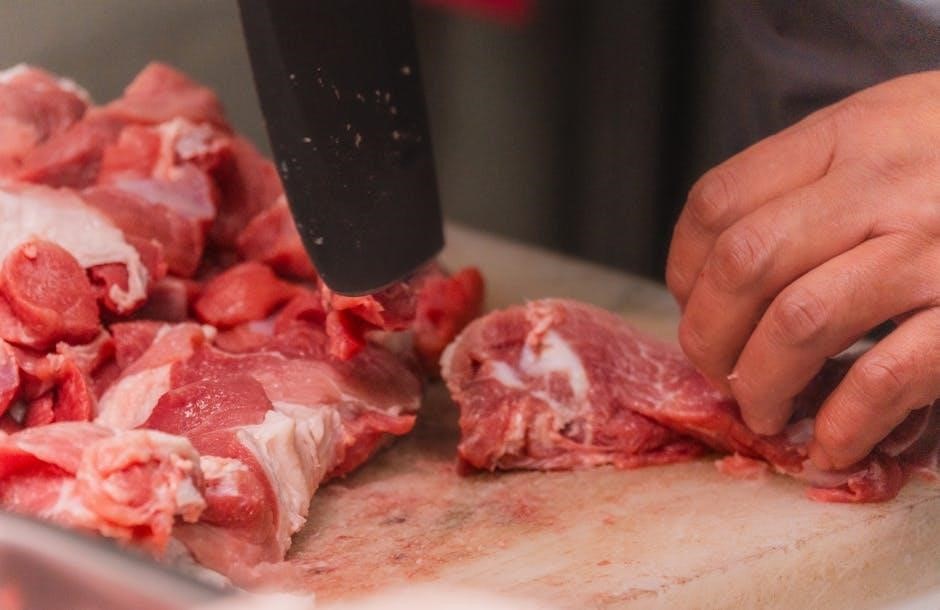
Selecting the appropriate pork cut is crucial for optimal Shake and Bake results. While both pork chops and pork loin can be used, thinner pork chops generally yield the best outcome. Thickness significantly impacts cooking; thin chops cook quickly and evenly with a coating.
Pork loin, being thicker, may not achieve the same level of crispiness. Bone-in pork chops are a popular choice, offering added flavor and moisture. Consider your preference – a quick-cooking, coated chop or a potentially less crispy, thicker loin. Remember, a cast iron skillet sear is also a fantastic option!
Pork Chops: Thickness Matters
When utilizing Shake and Bake, pork chop thickness is paramount. Thin-cut chops, cooking in approximately 3-5 minutes per side when seared, are ideal for achieving a crispy coating. Thicker chops struggle to cook through evenly under the coating, potentially resulting in a soggy exterior and undercooked interior.
For Shake and Bake, aim for consistently thin chops to ensure thorough cooking and maximum crispiness. Bone-in chops add flavor, but don’t compromise on thinness! A quick sear in a cast iron skillet before coating can also enhance flavor and texture, but isn’t essential.
Pork Loin vs. Pork Chops
Understanding the difference between pork loin and pork chops is crucial for successful Shake and Bake preparation. Pork chops, typically cut from the loin or rib, are best suited due to their smaller size and quicker cooking time. Pork loin, a larger, leaner cut, presents challenges with even coating and thorough cooking.
While pork loin can be used, it requires careful attention to ensure the center reaches a safe internal temperature without burning the coating. Pork chops, especially thinner varieties, deliver consistently better results with the convenience of Shake and Bake. Opt for bone-in chops for enhanced flavor!
Preparing the Pork
Proper pork preparation is paramount for optimal Shake and Bake adhesion and a delightful final product. Begin by thoroughly patting the pork dry with paper towels; this removes excess moisture, allowing the coating to cling effectively. A dry surface is key to achieving that coveted crispy texture.
Seasoning before coating is optional, but a light dusting of salt and pepper can enhance the pork’s natural flavors. However, avoid heavy seasoning, as the Shake and Bake mix already contains a blend of spices. Remember, thin chops are ideal for Shake and Bake, ensuring even cooking and a perfectly coated result.
Patting Dry for Optimal Coating
Achieving a truly crispy Shake and Bake coating hinges on one crucial step: diligently patting the pork dry. Moisture is the enemy of crispiness, preventing the breading from adhering properly and resulting in a soggy, rather than golden-brown, exterior. Use several paper towels to thoroughly absorb any surface moisture from all sides of the pork chops or loin.
This process isn’t merely about aesthetics; it’s about creating a receptive surface for the coating to bind to. A dry surface ensures the breadcrumbs create a textured, flavorful crust, elevating the overall dining experience. Don’t underestimate this simple, yet vital, preparation step!
Seasoning Before Coating (Optional)
While Shake and Bake provides its own seasoned coating, a light pre-seasoning of the pork can subtly enhance the final flavor profile. Consider a simple application of salt and freshly ground black pepper. For those seeking bolder tastes, explore other seasonings like garlic powder, onion powder, or paprika before applying the breading.
However, exercise caution! Shake and Bake’s seasoning is already present, so avoid over-seasoning, which can lead to an overly salty or overpowering dish. This step is truly optional, catering to individual preferences and desired intensity of flavor. A little can go a long way!
The Shake and Bake Coating Process
The core of the Shake and Bake method lies in achieving an even coating. Begin by opening the package and preparing the breadcrumb mixture – ensure it’s well combined. Next, take each pork chop and carefully place it into the bag or shallow dish containing the coating.
Shake vigorously, or press the coating firmly onto all surfaces, ensuring complete coverage. Avoid clumping; a thin, uniform layer is key to optimal crispiness. Repeat for each piece of pork, and don’t reuse the coating after it’s been in contact with raw meat to prevent cross-contamination.
Opening the Package and Preparing the Coating
Carefully open the Shake and Bake package, avoiding any tears that might spill the seasoned breadcrumb mixture. Pour the contents into a large, resealable plastic bag or a shallow dish – a baking dish works well. Gently fluff the coating with a fork to loosen any clumps and ensure even distribution of the seasoning.
This initial preparation step is crucial for consistent results. If using a bag, seal it tightly, leaving enough room to shake the pork chops effectively. If using a dish, have it ready for the coating process to begin immediately after.
Coating the Pork Evenly
Take each pork chop and gently place it into the prepared Shake and Bake coating. If using a bag, seal the bag and shake vigorously, ensuring every surface of the pork is fully covered. For a dish, use your hands or a fork to press the coating onto both sides, creating a consistent layer.

Avoid overcrowding; coat one or two chops at a time for best results. A thorough, even coating is key to achieving that desirable crispy texture. Pat the coating gently to help it adhere, but don’t press too hard.
Baking Instructions
Begin by preheating your oven – a crucial step for even cooking. The recommended baking temperature for Shake and Bake pork is typically 375°F (190°C), but always check the package instructions for specifics. Prepare your baking sheet by lightly greasing it or lining it with parchment paper to prevent sticking.
Arrange the coated pork chops in a single layer, ensuring they aren’t overcrowded. Baking time varies depending on the thickness of the pork, generally ranging from 20 to 25 minutes.
Preheating the Oven
Proper oven preheating is absolutely essential for achieving perfectly cooked and crispy Shake and Bake pork. A consistent temperature ensures the coating cooks evenly and becomes golden brown, while the pork reaches a safe internal temperature. Aim for a preheating time of at least 15-20 minutes to guarantee the oven has reached the desired heat.
Typically, a temperature of 375°F (190°C) is recommended, but always defer to the specific instructions printed on your Shake and Bake package. An inaccurate oven temperature can lead to undercooked pork or a soggy coating, so verification with an oven thermometer is advisable.
Baking Sheet Preparation
Preparing your baking sheet correctly is crucial for preventing sticking and promoting even cooking of your Shake and Bake pork. Begin by lining the sheet with parchment paper or aluminum foil; this simplifies cleanup considerably. A light coating of cooking spray over the parchment or foil provides an extra layer of protection against sticking.
To avoid soggy results, consider using a wire rack placed on top of the baking sheet. This elevates the pork, allowing air to circulate underneath and preventing it from sitting in any rendered fat or juices. Avoid overcrowding the sheet; space the pork chops adequately for optimal crisping;
Baking Time and Temperature
Generally, a baking temperature of 375°F (190°C) is recommended for Shake and Bake pork. However, baking time is heavily influenced by the thickness of the pork chops. Thinner chops, ideal for Shake and Bake, require less time – approximately 20-25 minutes. Thicker chops will necessitate a longer baking duration, potentially up to 30-35 minutes, or even longer.
Always verify doneness using a meat thermometer. Pork should reach an internal temperature of 145°F (63°C) for safe consumption. Regularly check the pork during the final stages of baking to prevent overcooking and ensure a juicy, tender result.
Achieving Crispy Results
For exceptionally crispy Shake and Bake pork, employing a wire rack placed on top of your baking sheet is highly recommended. This elevates the pork, allowing hot air to circulate completely around each piece, preventing it from simmering in its own drippings and resulting in a soggy coating.
Furthermore, avoid overcrowding the baking sheet. Ensure adequate space between each pork chop to facilitate even cooking and maximum crispiness. Overcrowding lowers the oven temperature around the pork, hindering the development of a golden-brown, delightfully crunchy exterior.
Using a Wire Rack
To truly elevate your Shake and Bake pork experience, incorporating a wire rack into the baking process is crucial. Position the rack directly over your baking sheet before placing the coated pork chops upon it. This simple step prevents the pork from sitting in any rendered fat or accumulated moisture during baking.
By allowing for complete air circulation, the wire rack ensures even crisping on all sides, avoiding those undesirable soggy spots. It’s a game-changer for achieving a consistently golden-brown and satisfyingly crunchy coating, maximizing the texture and overall enjoyment of your meal.
Avoiding Overcrowding the Baking Sheet
A common pitfall when using Shake and Bake is overcrowding the baking sheet. Ensure ample space between each pork chop to allow for proper heat circulation. When pieces are too close together, they steam instead of bake, resulting in a pale, soggy coating and unevenly cooked pork.
Bake in batches if necessary; it’s far better to have slightly more cooking time than a compromised final product. Maintaining sufficient space guarantees each chop achieves that desirable golden-brown crispness and cooks thoroughly. Remember, airflow is key to a successful Shake and Bake outcome!
Shake and Bake Alternatives: Homemade Breading
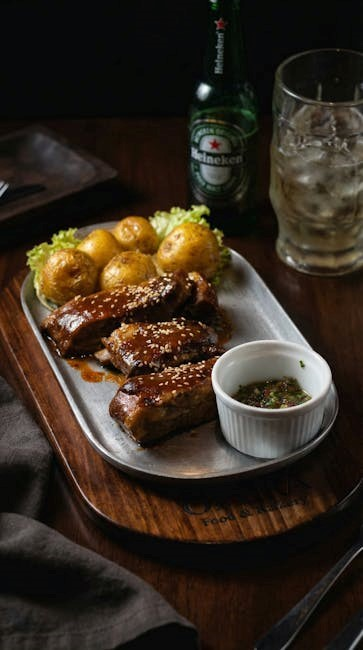
For those seeking a step up from the boxed convenience, crafting your own breading is remarkably simple and yields superior results. A classic approach involves a three-bowl system: flour, beaten egg, and seasoned breadcrumbs. Italian seasoned breadcrumbs are a fantastic starting point, or create your own blend with preferred spices.
Alternatively, corn flake crumbs provide exceptional crispiness. Patting the pork dry before coating is crucial for adhesion. This homemade method allows complete control over flavor and texture, surpassing the limitations of pre-packaged mixes, offering a truly customized experience.
DIY Breadcrumb Mixes
Creating your own breadcrumb mixes unlocks a world of flavor possibilities beyond basic Italian seasoning. Start with plain breadcrumbs – panko offers a particularly delightful crunch – and build from there. Consider adding paprika for color and a subtle smokiness, garlic powder for savory depth, or onion powder for a touch of sweetness.
Experiment with herbs like dried thyme, oregano, or rosemary. A pinch of cayenne pepper introduces a pleasant warmth. Don’t be afraid to get creative and tailor the blend to your personal preferences, ensuring each pork chop is uniquely seasoned and exceptionally flavorful.
Italian Seasoning Blend
For a classic Italian-inspired coating, a pre-made Italian seasoning blend is a convenient and flavorful choice. However, crafting your own allows for greater control over the herb proportions. A typical blend includes dried basil, oregano, rosemary, thyme, and marjoram – each contributing a distinct aromatic note.
Garlic powder and a pinch of red pepper flakes can elevate the blend further, adding savory depth and a subtle kick. Ensure the herbs are relatively fresh for maximum potency. This homemade Italian seasoning will transform your pork chops into a delightful, aromatic experience.
Enhancing the Flavor
While Shake and Bake provides a base flavor, don’t hesitate to customize! Adding spices directly to the coating—paprika, garlic powder, onion powder, or even a touch of cayenne—can significantly boost the taste profile. For truly tender and flavorful pork, consider a marinade before coating;
A simple marinade of olive oil, lemon juice, and herbs can work wonders. Balsamic and fruit jam reductions, or fancy mustards served alongside, also elevate the experience. Remember, experimentation is key to finding your perfect flavor combination!
Adding Spices to the Coating
Don’t rely solely on the pre-seasoned Shake and Bake mix! Elevate the flavor by incorporating your favorite spices directly into the breadcrumb coating. Paprika lends a smoky sweetness, while garlic powder and onion powder provide savory depth. A pinch of cayenne pepper introduces a delightful warmth, catering to those who enjoy a little heat.
Feel free to experiment with Italian seasoning blends or create your own custom mix. This simple step transforms a convenient meal into a truly personalized culinary experience, maximizing the taste potential of your pork.
Marinades for Extra Tenderness
While Shake and Bake offers convenience, pork chops can sometimes lack tenderness. Combat this by marinating the pork before coating. A simple marinade of olive oil, lemon juice, and garlic creates a flavorful and tenderizing base. Yogurt-based marinades are also excellent, breaking down proteins for a remarkably succulent result.
Even a short 30-minute marinade significantly improves the texture. Consider balsamic glazes or fruit-based reductions for a sophisticated touch, complementing the crispy coating beautifully. This step elevates the dish beyond basic convenience!
Serving Suggestions
Shake and Bake pork pairs wonderfully with a variety of side dishes. Classic choices include mashed potatoes, roasted vegetables like broccoli or asparagus, and a simple green salad. For a heartier meal, consider creamy macaroni and cheese or buttery rice pilaf. Don’t underestimate the power of a vibrant coleslaw to cut through the richness.
Sauces and condiments can further enhance the flavor. Fancy mustards, balsamic glazes, or a fruit jam reduction add a sophisticated touch. Apple sauce is a traditional accompaniment, providing a sweet and tangy contrast. Experiment to find your perfect pairing!
Side Dishes for Shake and Bake Pork
Complement your crispy Shake and Bake pork with classic comfort food sides. Creamy mashed potatoes are always a winner, soaking up any delicious pan juices. Roasted vegetables, such as broccoli, asparagus, or Brussels sprouts, offer a healthy and flavorful contrast. A simple green salad with a vinaigrette dressing provides freshness.
For a more substantial meal, consider macaroni and cheese or a fluffy rice pilaf. Coleslaw, with its tangy crunch, cuts through the richness of the pork beautifully. Don’t forget a side of sweet potato fries for a delightful treat!
Sauces and Condiments
Elevate your Shake and Bake pork experience with a variety of sauces and condiments! A balsamic and fruit jam reduction adds a sophisticated sweetness, perfectly balancing the savory coating. Fancy mustards – Dijon, whole grain, or honey mustard – provide a tangy kick. Applesauce is a classic pairing, offering a sweet and comforting contrast.
For those who enjoy a bit of spice, consider a horseradish sauce or a chili garlic sauce. A simple lemon wedge can brighten the flavors. Don’t underestimate the power of a good barbecue sauce either!
Troubleshooting Common Issues
Encountering problems with your Shake and Bake pork? A soggy coating is often due to overcrowding the baking sheet or the pork sitting in its own drippings. Utilizing a wire rack elevates the pork, allowing air circulation and preventing sogginess. Unevenly cooked pork usually stems from varying chop thicknesses.
Ensure consistent thickness for even cooking. If using thicker chops, consider a lower oven temperature and extended baking time. Remember, always verify the internal temperature reaches a safe level before serving. Don’t hesitate to experiment with adjustments!
Soggy Coating
A common frustration with Shake and Bake is a coating that lacks crispness and turns soggy. This frequently occurs when pork chops are overcrowded on the baking sheet, preventing proper air circulation. Another culprit is the pork sitting directly in its own rendered fat and juices during baking.
To combat this, elevate the pork using a wire rack placed on top of the baking sheet. This allows for all-around airflow, promoting even cooking and a delightfully crispy exterior. Avoid overlapping pieces, and ensure adequate space between each chop for optimal results.
Unevenly Cooked Pork
Achieving consistently cooked pork with Shake and Bake hinges on selecting the appropriate cut and thickness. Thicker pork chops are notoriously difficult to cook evenly using this method, often resulting in a dry exterior before the center reaches a safe internal temperature. Thin-cut chops are generally recommended for optimal results.
Always verify the internal temperature with a meat thermometer, ensuring it reaches 145°F (63°C). If using thicker cuts, consider a brief stovetop sear before baking to initiate cooking and promote more even heat distribution throughout the chop.
Safety Considerations
Prioritizing food safety is paramount when preparing pork. Always ensure the internal temperature reaches a minimum of 145°F (63°C) as measured with a reliable meat thermometer. This guarantees the destruction of harmful bacteria, preventing foodborne illness. Proper food handling practices are equally crucial; avoid cross-contamination by using separate cutting boards and utensils for raw pork and other foods.
Wash hands thoroughly with soap and water before and after handling raw pork. Store pork properly in the refrigerator, and discard any leftovers that have been left at room temperature for more than two hours.
Internal Temperature for Pork
Achieving a safe internal temperature is critical when cooking pork, especially with methods like Shake and Bake where visual cues can be misleading. The USDA recommends cooking pork chops, roasts, and tenderloins to an internal temperature of 145°F (63°C), followed by a three-minute rest time. This ensures any potential harmful bacteria are eliminated, safeguarding against foodborne illness.
Use a calibrated meat thermometer inserted into the thickest part of the pork to verify the temperature. Remember, color is not a reliable indicator of doneness; always rely on a thermometer for accuracy and peace of mind.
Proper Food Handling
Safe food handling practices are paramount when preparing pork, regardless of the cooking method. Always begin with clean surfaces and utensils to prevent cross-contamination. Thoroughly wash your hands with soap and water before and after handling raw pork. Keep raw pork separate from other foods, especially those eaten without cooking, like salads.
Properly store raw pork in the refrigerator at 40°F (4°C) or below. Discard any pork that has been left at room temperature for more than two hours. These simple steps minimize the risk of foodborne illness and ensure a safe and enjoyable meal.
Shake and Bake vs. Other Cooking Methods
Compared to pan-frying, Shake and Bake offers convenience but often lacks the deep, flavorful sear achieved with a cast iron skillet. Pan-frying, especially with bone-in chops, allows for precise temperature control and a richer taste. Grilling provides a smoky flavor profile that Shake and Bake simply cannot replicate.
While Shake and Bake is undeniably easier, the resulting texture can be less satisfying. Homemade breading, or a quick sear followed by a sauce reduction, elevates pork to a gourmet level. Ultimately, the best method depends on your time constraints and desired flavor intensity.
Shake and Bake vs. Pan-Frying
Shake and Bake prioritizes convenience, while pan-frying demands a bit more technique but delivers superior results. A cast iron skillet, heated properly, creates a beautiful sear on pork chops, locking in juices and developing a rich, complex flavor. Shake and Bake, conversely, often yields a less intense taste and potentially drier texture.
Pan-frying allows for precise control over cooking time, crucial for achieving desired doneness – medium-rare is often recommended. Though Shake and Bake is simpler, the difference in flavor and texture makes pan-frying a worthwhile endeavor for pork enthusiasts.
Shake and Bake vs. Grilling
Grilling imparts a smoky, charred flavor that Shake and Bake simply cannot replicate. While Shake and Bake offers ease, grilling provides a depth of taste and textural contrast – a crisp exterior and juicy interior – that’s highly desirable. However, grilling requires attention to prevent burning, and thicker pork chops are better suited to this method.
Shake and Bake is best for thinner cuts, as thick chops don’t cook evenly with a coating. Grilling, when done correctly, elevates pork to another level, offering a robust and satisfying culinary experience. It’s a trade-off between convenience and flavor.